FLEET Paving Inc.
Learning

Asphalt Paving

Which Mix ?

Infrared Repair

Quality Asphalt
Asphalt Paving, Infrared Repair, Crack Sealer

What Is Asphalt ?
Asphalt is one of the world’s most durable and cost-effective paving materials. It is a carefully engineered mixture of crushed stone, sand, and asphalt cement (a petroleum-based binder) that creates a strong, flexible surface for roads, parking lots, driveways, pathways, and commercial properties.
Because asphalt can withstand heavy traffic, changing weather conditions, and freeze-thaw cycles, it is the preferred paving material throughout Ontario.
How Asphalt Is Made
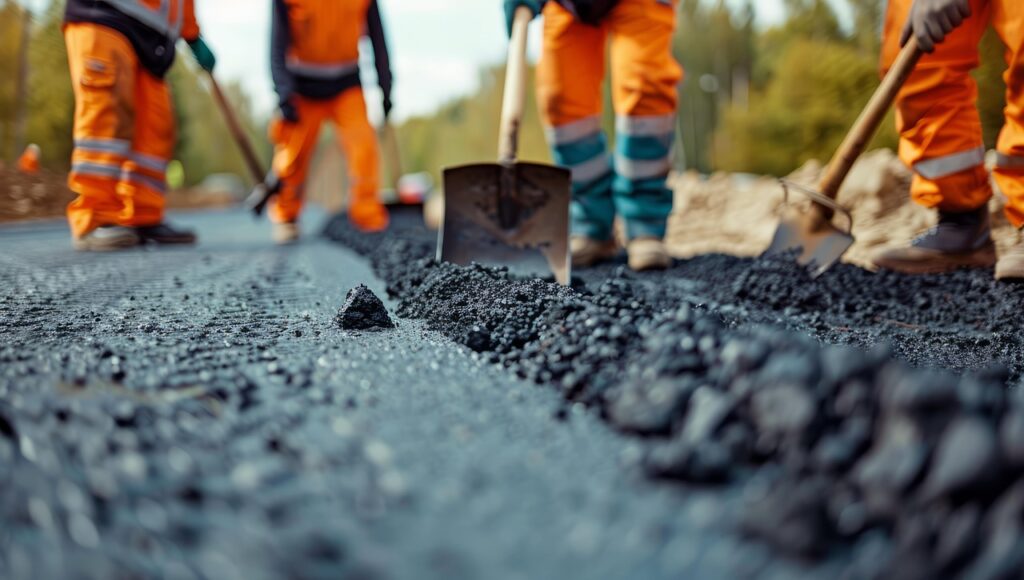
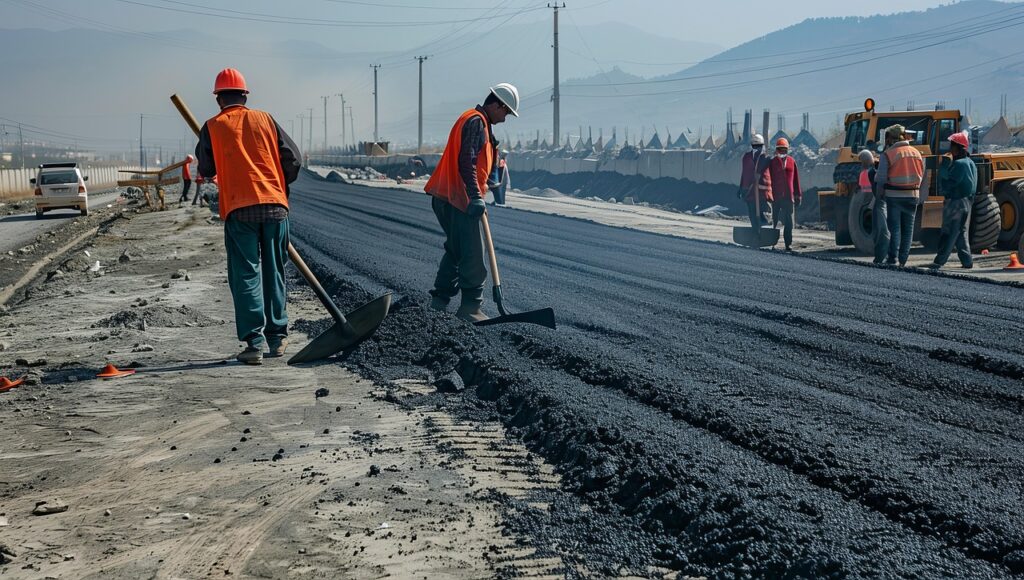
Modern asphalt is produced in specialized asphalt plants where aggregates are heated, dried, and mixed with asphalt binder at controlled temperatures. The finished mix is transported to the job site in insulated trucks and placed while it is still hot.
The quality of the asphalt mix, along with proper installation and compaction, plays a major role in determining how long a pavement will last.
Why Asphalt Is So Popular
Asphalt offers many advantages over other paving materials:
- Cost-effective installation and maintenance
- Fast construction with minimal disruption
- Smooth, quiet driving surface
- Excellent durability under heavy traffic
- Flexible material that resists cracking better than rigid pavement
- 100% recyclable, making it an environmentally responsible choice
- Easy to repair and maintain throughout its service life
These benefits make asphalt an ideal solution for residential, commercial, industrial, and municipal projects.
Common Uses of Asphalt
Asphalt is used in a wide variety of applications, including:
- Residential driveways
- Commercial parking lots
- Private roads
- Municipal streets
- Industrial yards
- Loading docks
- Pathways and recreational trails
- Warehouse facilities
Proper design and installation ensure the pavement can support the expected traffic loads for many years.
What Determines Asphalt Quality?
A long-lasting asphalt surface depends on several key factors:
Proper Base Preparation
The foundation beneath the asphalt is critical. A properly graded and compacted granular base provides the structural support needed to prevent settlement and premature failure.
Correct Asphalt Thickness
Different applications require different pavement thicknesses. Residential driveways typically need less asphalt than commercial parking lots or heavy truck facilities.
Proper Compaction
Compaction removes air voids from the asphalt mixture, increasing strength, improving water resistance, and extending pavement life.
Effective Drainage
Standing water is one of asphalt’s greatest enemies. Proper grading allows water to drain away from the pavement, reducing the risk of cracking, potholes, and base failure.
How Long Does Asphalt Last?
The lifespan of asphalt depends on traffic volume, climate, maintenance, and construction quality.
Typical service life includes:
- Residential driveways: 15–25 years
- Commercial parking lots: 15–30 years
- Municipal roads: 20–30 years or more with regular maintenance
Routine maintenance such as crack filling, sealcoating, infrared asphalt repair, and localized patching can significantly extend pavement life.
Can Asphalt Be Repaired?
Yes. One of asphalt’s biggest advantages is that it is highly repairable. Depending on the condition of the pavement, repairs may include:
- Crack filling
- Infrared asphalt repair
- Surface patching
- Full-depth asphalt replacement
- Milling and resurfacing
- Pothole repair
Addressing small problems early helps prevent more extensive and expensive repairs later.
Is Asphalt Environmentally Friendly?
Asphalt is one of the most recycled construction materials in North America. Existing pavement can be milled, processed, and incorporated into new asphalt mixtures, reducing waste and conserving natural resources.
Modern asphalt production techniques also continue to improve energy efficiency and reduce environmental impacts.
Frequently Asked Questions
What is asphalt made of?
Asphalt consists of crushed stone, sand, and asphalt cement mixed together to create a durable paving material.
Is asphalt better than concrete?
Both materials have advantages. Asphalt is generally less expensive, quicker to install, easier to repair, and performs well in Ontario’s freeze-thaw climate.
How long before I can drive on new asphalt?
Under normal weather conditions, most asphalt surfaces can be driven on within 24 to 48 hours, although full curing takes several months.
Why do asphalt cracks develop?
Cracks are commonly caused by aging, water infiltration, freeze-thaw cycles, heavy traffic, and movement in the base beneath the pavement.
Can old asphalt be recycled?
Yes. Asphalt is one of the most recycled paving materials and can be reused in the production of new asphalt mixes.
How can I make my asphalt last longer?
Regular maintenance, including crack filling, sealcoating, proper drainage, and timely repairs, can significantly extend the life of your pavement.

Which Mix Design is good for my project?
By project type
- Residential driveways — Dense-graded HMA (e.g., a fine-graded surface mix like a 9.5mm or 12.5mm NMAS mix). Lower traffic load means you don’t need a heavy-duty mix.
- Residential streets / low-traffic roads — Standard dense-graded Superpave mix, typically 12.5mm or 19mm NMAS for base/binder layers.
- Highways / high-traffic roads — Superpave dense-graded mixes with higher PG (performance grade) binder, often layered: open-graded friction course (OGFC) on top for drainage/skid resistance, dense-graded binder and base courses underneath.
- Parking lots — Dense-graded mix similar to residential streets; lighter-duty than roads since loads are lower speed, though truck-heavy lots (e.g., commercial loading areas) need a stronger base mix.
- Airport runways/taxiways — Heavy-duty Superpave or specialized mixes designed for very high load and fuel resistance.
- Bike paths/walking trails — Fine-graded, smaller aggregate mix (e.g., 4.75mm or 9.5mm) for a smoother finish.
Other factors that affect mix choice
- Climate — Hot climates need a stiffer PG binder (e.g., PG 70-22) to resist rutting; cold climates need more flexible binder (e.g., PG 58-28) to resist cracking.
- Layer — Base course mixes use larger aggregate (coarser); surface/wearing course mixes are finer for smoothness and skid resistance.
- Drainage needs — Open-graded/porous mixes for areas needing water permeability.
- Budget — Warm-mix asphalt (WMA) can reduce costs/energy vs traditional HMA with similar performance.
If you tell me the specifics of your project (traffic type/volume, climate/region, new construction vs. overlay, budget constraints), I can narrow this down to a more specific mix recommendation.
Choosing the right asphalt mix is one of the most important decisions for the success and longevity of your pavement. Different asphalt mixes are engineered for different traffic loads, climates, and applications. The best choice depends on how the pavement will be used, the expected vehicle traffic, and your budget.
Residential Driveways
For most residential driveways, a fine-graded hot mix asphalt is the preferred choice. It provides a smooth, attractive finish that is durable enough for cars, SUVs, and light trucks. Proper base preparation and compaction are just as important as the asphalt mix itself.
Best for:
- Single-family homes
- Townhouses
- Private lanes
Commercial Parking Lots
Commercial parking lots require a stronger asphalt mix designed to withstand higher traffic volumes and frequent turning movements. Depending on the expected use, a thicker pavement structure and heavier-duty mix may be recommended.
Best for:
- Office buildings
- Retail plazas
- Apartment complexes
- Shopping centres
Heavy-Duty Industrial Areas
Facilities that support transport trucks, forklifts, loading docks, and heavy equipment require high-performance asphalt mixes and a properly engineered granular base. These pavements are designed to resist rutting, deformation, and heavy axle loads.
Best for:
- Truck terminals
- Industrial yards
- Warehouses
- Manufacturing facilities
Municipal Roads and Private Roads
Roadways are designed using asphalt mixes that meet municipal or provincial specifications. The pavement structure is selected based on projected traffic volumes, vehicle weights, drainage, and local environmental conditions.
Best for:
- Residential streets
- Private roads
- Business parks
- Access roads
Recycled Asphalt Mixes
Many modern asphalt mixes contain reclaimed asphalt pavement (RAP), which reduces waste while maintaining excellent performance. When produced to industry standards, recycled asphalt mixes provide a durable and environmentally responsible paving solution.
Factors That Determine the Right Asphalt Mix
Every project is unique. A professional paving contractor will consider several factors before recommending an asphalt mix, including:
- Type of property
- Expected traffic volume
- Vehicle weights
- Existing pavement condition
- Granular base quality
- Drainage
- Local climate
- Budget
- Long-term maintenance goals
Selecting the correct mix helps maximize pavement life, improve performance, and reduce future repair costs.
Let Fleet Paving Recommend the Right Mix
At Fleet Paving, we evaluate every project individually. Whether you’re paving a residential driveway, a commercial parking lot, or a heavy-duty industrial yard, our experienced team will recommend the asphalt mix and pavement structure that best matches your property’s needs, ensuring long-lasting performance and value.
Frequently Asked Questions
Is one asphalt mix suitable for every project?
No. Different applications require different asphalt mixes based on traffic loads, environmental conditions, and performance requirements.
Can a driveway use the same asphalt as a truck yard?
Generally, no. Truck yards require stronger pavement structures and mixes designed to withstand much heavier loads than residential driveways.
Does a thicker asphalt layer always mean a better pavement?
Not necessarily. The correct pavement design includes the right combination of asphalt thickness, base preparation, drainage, and compaction. A well-designed pavement often performs better than simply adding more asphalt.
Can recycled asphalt perform as well as new asphalt?
Yes. When manufactured according to industry specifications, asphalt containing recycled materials can provide excellent durability while reducing environmental impact.

Infrared Asphalt Repair
How It Works and Why It Creates a Seamless Repair
What Is Infrared Asphalt Repair ?
Infrared asphalt repair is an advanced pavement restoration method that uses infrared radiation to heat existing asphalt to a workable temperature without burning or damaging the binder. Once softened, the asphalt is rejuvenated, remixed, regraded, compacted, and blended with new hot mix asphalt where required to create a durable, seamless repair.
Unlike conventional saw-cut patching, infrared repair preserves much of the existing pavement while eliminating cold joints that commonly lead to premature failure.
The Science Behind Infrared Heating
Asphalt is a thermoplastic material, meaning it softens when heated and hardens as it cools. Infrared heaters emit radiant energy that penetrates the pavement surface and gradually raises the temperature throughout the repair area.
A properly operated infrared heater warms the asphalt uniformly, typically to approximately 120–160°C (250–320°F). This temperature range softens the asphalt binder enough for reworking while avoiding overheating that can oxidize the binder or damage the aggregate.
Unlike an open flame, infrared energy heats the pavement more evenly, reducing the risk of scorching or thermal degradation.
The Infrared Repair Process
1. Surface Inspection
The damaged pavement is inspected to determine whether infrared repair is appropriate. Typical applications include potholes, utility cuts, surface cracking, settlement, birdbaths, and localized pavement deterioration.
Infrared repair is most effective when the underlying granular base remains structurally sound.
2. Heating the Existing Asphalt
An infrared heater is positioned over the repair area for several minutes. The heating time depends on:
- Asphalt thickness
- Ambient temperature
- Wind conditions
- Moisture content
- Type of asphalt mix
The objective is to soften the asphalt through its full repair depth without overheating.
3. Scarifying and Remixing
Once heated, the softened asphalt is mechanically scarified using asphalt lutes or rakes. This loosens the existing material and restores workability.
If additional material is required, fresh hot mix asphalt is added along with an asphalt rejuvenating agent when appropriate. The new and existing materials are thoroughly blended to produce a uniform mixture.
4. Regrading
The remixed asphalt is carefully regraded to restore the original pavement profile, improve drainage, and eliminate depressions or uneven surfaces.
5. Compaction
The repaired area is compacted using vibratory plate compactors or asphalt rollers to achieve proper density. Adequate compaction minimizes air voids, increases strength, and improves resistance to water infiltration.
6. Cooling and Opening to Traffic
As the asphalt cools, it regains its structural strength. Most infrared repairs can be reopened to traffic shortly after compaction, depending on weather conditions and pavement temperature.
Why Seamless Repairs Matter
Traditional patching creates straight saw-cut joints where new asphalt meets old pavement. These joints are common entry points for:
- Water infiltration
- Freeze-thaw damage
- Raveling
- Edge cracking
- Future pothole development
Infrared repair reheats and blends the surrounding pavement, creating a continuous bond that greatly reduces joint-related failures.
Advantages of Infrared Asphalt Repair
Seamless Bond
The existing and new asphalt become integrated into a single repair rather than two separate sections joined by a cold seam.
Less Waste
Most of the original asphalt remains in place, reducing material disposal and the need for virgin aggregate and binder.
Faster Repairs
Infrared repairs can often be completed in a single visit with minimal disruption to traffic and business operations.
Cost-Effective
By preserving existing pavement and minimizing demolition, infrared repair can reduce repair costs while extending pavement life.
Environmentally Responsible
Reusing existing asphalt lowers waste generation, reduces trucking requirements, and conserves natural resources.
When Infrared Repair Is the Right Choice
Infrared repair is ideal for:
- Potholes
- Utility cuts
- Surface depressions (birdbaths)
- Cold seams
- Localized rutting
- Trip hazards
- Surface cracking
- Small failed pavement sections
- Areas affected by snowplow damage
When Infrared Repair Is Not Recommended
Infrared repair cannot correct structural failures caused by:
- Saturated or unstable granular base
- Major subgrade settlement
- Extensive alligator cracking caused by foundation failure
- Large areas requiring complete reconstruction
In these situations, full-depth asphalt removal and base reconstruction are usually the appropriate solution.
Infrared Repair vs. Traditional Cut-and-Patch
| Infrared Repair | Traditional Cut-and-Patch |
| Seamless repair | Cold joints around patch |
| Reuses existing asphalt | Removes and disposes of existing asphalt |
| Faster installation | More excavation and cleanup |
| Less material waste | Higher material consumption |
| Reduced disruption | Longer repair time |
| Excellent for localized repairs | Better for full-depth structural failures |
Frequently Asked Questions
Is infrared repair permanent?
When applied to pavement with a sound base, infrared repair provides a long-lasting solution that can perform for many years with routine pavement maintenance.
Does infrared repair work in cold weather?
Yes. Infrared repairs can often be performed in cooler temperatures than conventional asphalt paving because the existing pavement is reheated before repair.
Is new asphalt added during infrared repair?
Often, yes. Fresh hot mix asphalt is added as needed to restore grade, replace missing material, and ensure the repaired area meets proper density and performance requirements.
Can infrared repair fix every pothole?
No. If the damage is caused by failure of the underlying base or subgrade, full-depth reconstruction is typically required instead of infrared repair upfront.
Why Choose Fleet Paving for Infrared Asphalt Repair?
Fleet Paving uses professional infrared repair techniques to restore damaged asphalt efficiently while preserving as much of the existing pavement as possible. Our experienced team evaluates each repair individually, ensuring the correct solution is selected based on the pavement’s condition. Whether repairing potholes, utility cuts, or localized surface damage, we focus on delivering durable, seamless repairs that extend pavement life and reduce long-term maintenance costs.
How Can We Extend the Life of Our Asphalt Pavement?
Installing new asphalt is a significant investment. With proper maintenance and timely repairs, property owners can maximize that investment by extending the life of their pavement for many years. While asphalt naturally ages due to weather, traffic, and oxidation, proactive care can dramatically slow deterioration and reduce long-term repair costs.
Start with Quality Construction
Long-lasting pavement begins with proper design and construction. A well-prepared granular base, appropriate asphalt thickness, quality hot mix asphalt, and proper compaction are the foundation of a durable pavement.
Even the highest-quality asphalt will not perform well if the underlying structure is weak or drainage is inadequate.
Control Water Before It Causes Damage
Water is one of the leading causes of asphalt failure. When moisture enters through cracks or weak joints, it can soften the base material and reduce the pavement’s structural strength. During Ontario’s freeze-thaw cycles, trapped water expands as it freezes, creating larger cracks and potholes.
To reduce water damage:
- Keep catch basins and drainage systems clear.
- Ensure pavement slopes direct water away from the surface.
- Repair low areas where water collects.
- Seal cracks before water penetrates the pavement.
Repair Cracks Early
Small cracks can quickly become larger problems if left untreated. Crack filling prevents water infiltration, reduces freeze-thaw damage, and helps maintain the pavement’s structural integrity.
Annual inspections allow minor issues to be addressed before they require more expensive repairs.
Repair Localized Damage Promptly
Potholes, settlement, and surface deterioration should be repaired as soon as they appear. Methods such as infrared asphalt repair can restore damaged areas while blending new and existing asphalt into a seamless repair, helping prevent further deterioration.
Avoid Overloading the Pavement
Every asphalt pavement is designed for a specific traffic load. Repeated heavy trucks or construction equipment on pavement intended for passenger vehicles can accelerate rutting, cracking, and structural failure.
If your property regularly accommodates heavy vehicles, the pavement should be designed accordingly.
Keep the Surface Clean
Leaves, dirt, oil, fuel, and standing debris can trap moisture and contribute to surface deterioration. Regular sweeping and cleaning also make it easier to identify developing cracks or drainage issues before they become major problems.
Schedule Routine Inspections
Professional pavement inspections can identify early signs of wear that are not always visible to property owners. Regular assessments help prioritize maintenance and reduce unexpected repair costs.
Develop a Preventive Maintenance Plan
Preventive maintenance is far more cost-effective than major reconstruction. A typical maintenance program may include:
- Annual pavement inspections
- Crack filling as needed
- Infrared asphalt repairs for localized damage
- Surface patching
- Drainage improvements
- Line repainting after maintenance work
By addressing small issues early, property owners can avoid larger structural failures and extend the pavement’s service life.
Signs Your Pavement Needs Attention
Watch for these common warning signs:
- Cracks that are widening
- Standing water after rainfall
- Potholes
- Surface raveling
- Rutting or wheel-path depressions
- Edge deterioration
- Loose aggregate
- Faded pavement markings
Prompt repairs can prevent these issues from spreading.
Frequently Asked Questions
How long should asphalt pavement last?
A properly constructed and well-maintained asphalt pavement can provide 15 to 30 years of service, depending on traffic loads, environmental conditions, and maintenance practices.
Is preventive maintenance worth the investment?
Yes. Regular maintenance is typically much less expensive than full-depth reconstruction and helps maximize the life of your pavement.
What is the biggest threat to asphalt?
Water infiltration is one of the primary causes of asphalt deterioration. Keeping water out through proper drainage and crack repair is essential for long-term performance.
How often should asphalt be inspected?
Commercial parking lots and high-traffic areas should generally be inspected at least once a year, with additional inspections after harsh winters or heavy weather events.
Partner with Fleet Paving
At Fleet Paving, we believe that quality paving is only the beginning. Our team helps property owners protect their investment through professional inspections, preventative maintenance, infrared asphalt repair, crack filling, and long-term pavement management. By addressing issues early and using proven repair methods, we help extend the life, safety, and appearance of asphalt surfaces across the Greater Toronto Area.
Trust Fleet Paving Inc.
for Professional Asphalt Services
Whether you need a new driveway, commercial parking lot, asphalt repairs, infrared restoration, or ongoing pavement maintenance, Fleet Paving delivers durable, high-quality workmanship using proven construction methods and premium materials. Our experienced team serves residential, commercial, industrial, and municipal clients throughout the Greater Toronto Area, helping property owners protect their investment with reliable paving solutions built to last.

Stay tuned with us
Every Canadian knows working season for construction is limited on this land.
We have short time to make a decision and execute our project.
Summer is only chance for us to execute our project and get ride of the muddy road